

What Happens When You Remove Trees Near a Foundation (And How to Prevent Soil Rebound Issues)
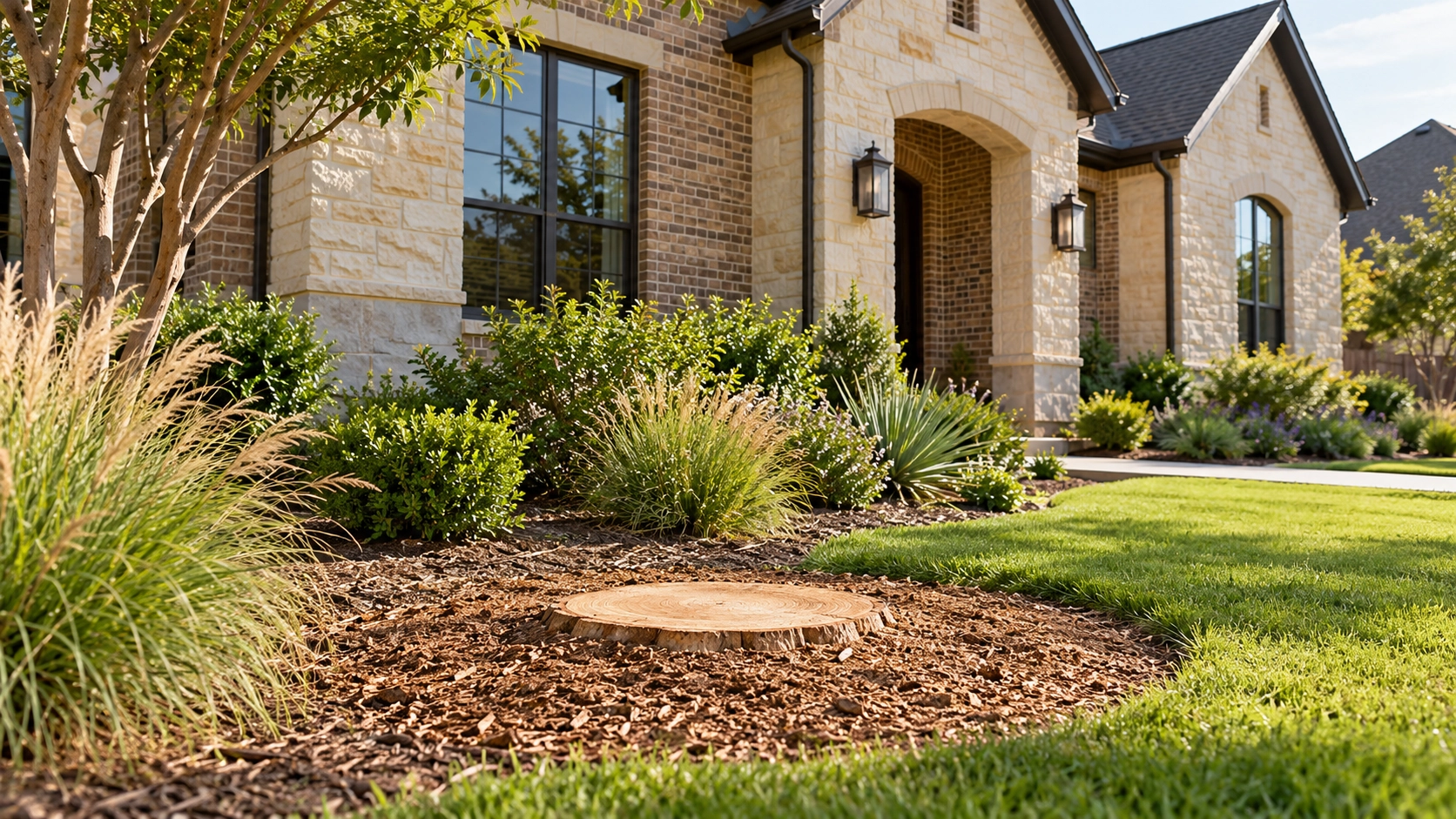
Our last article on trees and clay soil left one question open: if roots dry out the soil, why not just take the tree out?
Because the soil remembers.
A mature tree can dry the clay around it for years. When the tree comes out, the water comes back. The clay swells, and whatever is sitting on it (a slab, a porch, a driveway) goes up with it.
That’s soil rebound, also called heave. Forensic engineers describe it as one of the hardest foundation movements to diagnose and to fix. Here’s how it happens, when it shows up, where builders get caught, and what to do before and after a tree comes down.
What Soil Rebound Actually Is
Think of the soil as a dried-out sponge. A mature tree pulls so much water from clay that the soil around its roots becomes desiccated, with a strong pull for moisture that engineers call suction.
When the tree is removed, that pull doesn't go away. What goes away is the tree's constant demand for water. Moisture moves back in from any direction, through cracks and the channels left by dead roots, and the clay swells until it reaches moisture equilibrium.
Not every removal sets this up. The amount of heave depends on several factors: the tree’s species, maturity and water demand; how permeable the soil is; and how much free water is available. Large, mature trees growing in expansive clay are generally the largest concern.
How Long It Takes, and What It Looks Like
There is no single timeline. Soil rehydration can take several months or several years, depending on the cracks and root channels in the soil. The farther the tree was from the foundation, the longer it usually takes, unless a water source like a plumbing leak speeds things up. Swelling after tree removal can produce very large uplift or pressure, and that ground recovery can continue for many years.
The scenario that catches builders most often is clearing a lot before construction. Here’s how the sequence can unfold:
- A mature tree dries the clay on the future building site.
- The tree is felled and the pad is graded. The soil is still dry and still pulling for water.
- The foundation goes in soon after, before the soil has reached moisture equilibrium.
- The slab stops normal evaporation, so moisture collects beneath it and the dry clay starts drawing it in.
- Over months to years, the clay swells and lifts the fill, slab and house unevenly.
The area near trees removed shortly before construction may be especially dry and susceptible to localized heave. If the foundation design doesn't account for those soil conditions, movement can develop long after the tree is gone.
Signs that may be associated with heave (a clue, not a diagnosis):
- Spiderweb-style cracks in the slab
- Damage that starts during or soon after construction and speeds up over the first few years
- Nearby trees that died or were felled within a year or two of the first distress
- Driveway or flatwork moving up and away from the foundation
- Poor drainage, leaks, or wet soil near the slab
Heave is easily mistaken for settlement or subsidence, and misdiagnosis is common. That’s why the diagnosis should come from a licensed professional engineer.
Where Builders Get Burned
- The lot was cleared, then poured. A tree comes out to make room for the house, and the foundation follows quickly. The design needs to account for what that tree had been doing to the soil.
- The design didn't account for the trees. The geotechnical report should address trees and other vegetation, while foundation plans and specifications should consider nearby existing or future vegetation and the design features needed to accommodate it. Where rehydration is a risk, foundations, floors, and drainage may need to be designed with the potential effects of the removed trees in mind.
- The homeowner removes the tree later. A mature tree comes down after closing, and months later, doors stick and the slab cracks. Foundation repair contractors may decline to warrant heave repairs, so the call can easily land on the builder.
- Water makes it worse. Poor drainage, ponding, landscape watering, and leaking utility lines can all aggravate heave.
None of this means trees should stay. Removing a tree that's damaging a foundation is often the right call. The point is to plan for what the soil does next. Tree removal also isn't always a straightforward solution, particularly when there's a risk that rehydration could cause additional movement.
What to Do Before, During, and After
Before the tree comes out
- Bring in the geotechnical engineer first, and share the details: species, size, distance from the proposed foundation, and when the tree will be removed.
- Ask how the removal affects the foundation design, not just site preparation.
- Ask whether the time between clearing and pouring matters for your soil conditions.
During construction
- Follow the drainage plan specified by your engineer. As a general example, residential foundation guidance may call for a slope of at least 5% for the first 10 feet away from the foundation and downspouts that discharge at least 2 feet away. These are guidelines, not universal code requirements, so the engineer's plan and applicable local requirements should govern.
- Document construction-phase observations. Keep records of subgrade preparation, grading, and drainage, along with the engineer's compliance letter when applicable.
After closing
- Tell homeowners to consult a licensed engineer before removing mature trees near the home.
- Keep water managed around the foundation by maintaining downspouts and drainage, addressing leaks, and being mindful of landscape watering near the slab.
- If movement appears, get a diagnosis before making repairs. Engineers may recommend addressing the moisture source, monitoring the movement while the soil stabilizes, or lifting the foundation. Repairs made while the soil is still swelling may not hold.
Root barriers are a different tool. A barrier limits roots from reaching the foundation. It doesn't change what the soil does once a tree is gone, and it isn't foolproof. Roots may grow beneath a barrier and then turn back toward the surface. The appropriate depth and placement depend on the site and soil conditions.
See our earlier article on trees and clay soil for more information on root barrier installation and documentation.
Document It Like You'll Need It
When movement shows up, the first questions are which way the foundation is moving and why. Engineers investigating foundation movement may review geotechnical reports, drawings, and field reports; note the location of large trees and how the site drains; and establish baseline elevations.
Build that file before you need it:
- A tree removal log: Date, species, approximate size, distance to the foundation, and before-and-after photos.
- The geotechnical report and foundation plans: Documentation showing how trees and soil conditions were considered.
- Construction observation reports: Include the engineer's compliance letter, when applicable.
- Photos of final grading: Document downspout outlets and drainage conditions.
- Root barrier verification photos: Keep these if a barrier was installed.
- Baseline elevations: Ask your engineer whether elevation measurements make sense for the project. A single visit shows only a snapshot. Repeated measurements over time help engineers determine whether a foundation is still moving.
Good documentation gives the builder and engineer a clearer picture of the site's original conditions and what changed over time.
Where Maverick Fits
Soil rebound problems can surface within the first few years after construction, potentially creating difficult conversations between homeowners and builders when warranty concerns arise.
Maverick's structural warranty is built around major load-bearing elements, including foundations. Coverage varies by warranty documents, so talk with your Maverick team about how soil conditions, tree removal, and your documentation fit with your coverage.
Tools you can use now:
- Our Root Barrier Installation Guide, linked in the earlier article on trees and clay soil, and our foundation watering guide for homeowners.
- HomeCare and HomeCareOS, which keep homeowner requests, communication, and documentation in one place.
Contact your Maverick representative to review your foundation documentation process and warranty coverage.
Don't just remove the tree. Plan for what the soil does next.
This article is for general educational purposes and is not engineering or legal advice. Soil conditions, climate, and local requirements vary. Consult a licensed professional engineer for guidance on a specific property.